An argument that society and families—and you—will be better off if nature takes its course swiftly and promptly
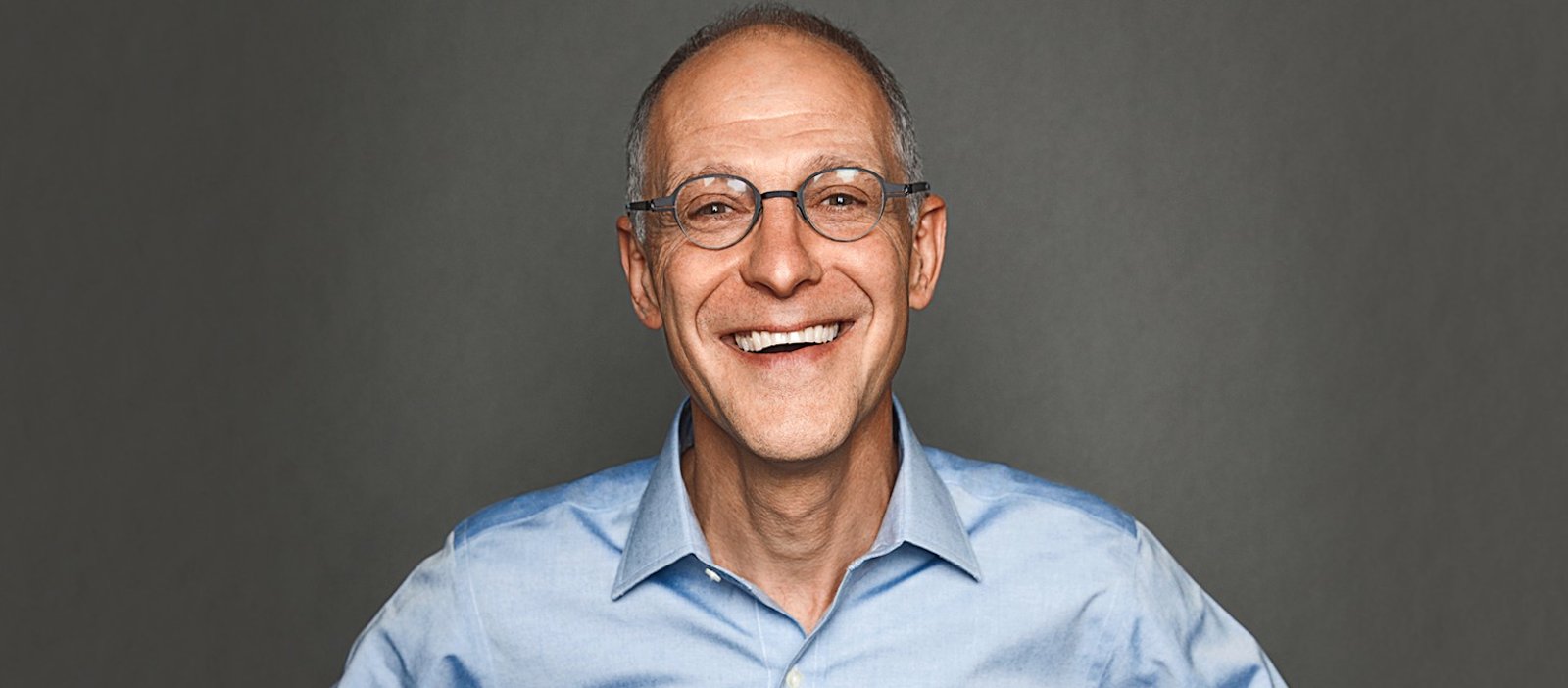
An article in the Atlantic by Ezekiel J. Emanuel
I found this article some time ago that articulates what I feel, that long life can be a burden....
But here is a simple truth that many of us seem to resist: living too long is also a loss. It renders many of us, if not disabled, then faltering and declining, a state that may not be worse than death but is nonetheless deprived. It robs us of our creativity and ability to contribute to work, society, the world. It transforms how people experience us, relate to us, and, most important, remember us. We are no longer remembered as vibrant and engaged but as feeble, ineffectual, even pathetic.
This guy is so much on my wavelength..
He also has a view on assisted suicide
People who want to die in one of these ways tend to suffer not from unremitting pain but from depression, hopelessness, and fear of losing their dignity and control. The people they leave behind inevitably feel they have somehow failed. The answer to these symptoms is not ending a life but getting help. I have long argued that we should focus on giving all terminally ill people a good, compassionate death
He talks about the idea of "Compression of morbidity", a modern term, that he goes on to prove is wrong.
Compression of morbidity is a quintessentially American idea. It tells us exactly what we want to believe: that we will live longer lives and then abruptly die with hardly any aches, pains, or physical deterioration—the morbidity traditionally associated with growing old. It promises a kind of fountain of youth until the ever-receding time of death. It is this dream—or fantasy—that drives the American immortal and has fueled interest and investment in regenerative medicine and replacement organs.
Interesting article to read....
";s:12:"content_meta";N;}